
Read over the following list and think about how educators and students can utilize the following:
- The benefits of organization
- Any common organizational challenges
- Some self-assessment strategies
Then do a short reflection where you identify three strengths and three areas of improvement. Comment on how elements such as workspace, backpack/desk, digital files, schedule management and study habits can be used.
Assignment #3: Goal Setting for Success: Setting realistic academic and professional goals is ideal for organization. Also, applying SMART (Specific, Measurable, Achievable, Relevant, Timely) goal principles can help in goal setting and in keeping students and educators organized daily.
Look over the following elements for setting goals. They can vary from short-term vs. long term goals, SMART Goals framework and tracking progress. Think about creating a SMART Goal Plan. In this plan, create 3 academic goals and 2 personal goals. Then set action steps and deadlines. Create a SMART Goal Worksheet and Progress Timeline. Share this timeline.
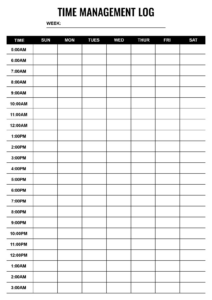
Assignment #4: Time Management Mastery: Managing your time can be an arduous task. There are those of us that can manage our daily responsibilities effectivity, and those that identify themselves as “time wasters”. I see myself as both sometimes! LOL! Review the following topics, for example: prioritizing time techniques, time blocking (dividing your day into chunks), and daily and weekly planning. Also, think about weekly time analysis and how educators and students can track their time and categorize it. By tracking time, it keeps time analysis in categories such as how to keep your time productive, what you are doing that is non-productive, and what time management categories you are using that use essential responsibilities.
Assignment #5: Creating Effective Planning Systems: Creating unique and effecting planning systems for organization can assist educators, students and other professionals in your school. The use of planners (digital or paper), calendars, backpacks and other routines (such as scheduling) helps keep organization a priority. Read the following article:
https://www.edutopia.org/blog/backpacks-planners-binders-oh-my-maia-heyck-merlin
Write a short response after reading the article to how the use of these strategies helps to support students in organizing their space. Do you use any of these strategies in your school or in your classroom? Explain. Describe the importance of student time, space, and planning. Do you use a classroom calendar?
Assignment #6: Organizing Physical Learning Spaces: In order to create a more productive environment in your classroom or school, it is essential to optimize your learning space. Think about reducing clutter, design, and storage solutions.
https://www.edutopia.org/article/optimize-classroom-design-better-learning/
Assignment 7: Workspace Transformation and Learning
Think about the idea of how transforming a classroom, office, or any workspace can help with organization and create a positive place for learning. Having a work or study area that uses organizational principles can boost creativity.
https://www.edutopia.org/article/classroom-transformations-are-fun-way-boost-engagement/
Assignment #8: Digital Organization Skills: Helping students to manage their digital files efficiently is an important skill for educators to share. Also, working with your students to improve information retrieval from their files and also assisting to improve their skills in sharing their assignments electronically is a key strategy. We also over the past few years have hired a Digital Literacy expert to work with the students beginning in 6th grade. I know in my own classroom one of the hardest things for my 7th graders is figuring out how to start an assignment, save an assignment, and then share that assignment with me. By 7th grade I figured they would know it all, but they still need a lot of digital assistance. (even with the help of the Digital Literacy specialist!)
Assignment #10: Personal/Professional Reflection: Organization is a lifetime tool and is useful for students and educators alike. Describe how any strategies in this course on organization and/or any theories presented are applicable to you or your classroom. How might you better help your students with organization, management, planning or goal setting now that you have taking this class. Share your thoughts.